






Seeking advice as soon as sensitivity or pain appears allows us to intervene at an early stage. The sooner treatment is provided, the more it limits the progression of the problem, reducing the risk of heavier, more invasive treatment.
Most common situations
• Superficial or deep decay
• Decay affecting the pulp
• Weakened or fractured tooth
• Replacement of old restorations ("fillings")
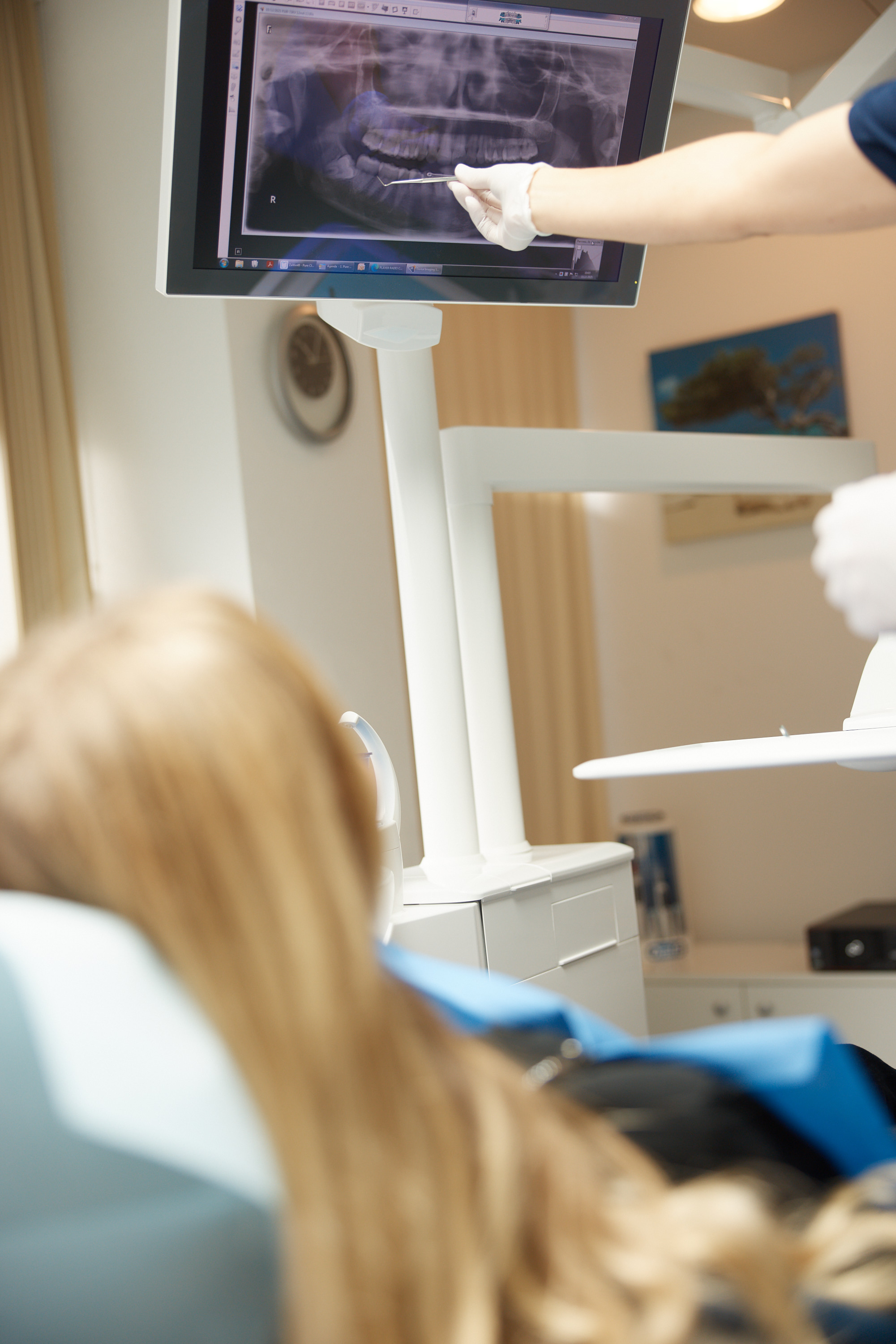
Our dentists carry out a clinical and radiographic examination to assess how far the tooth is affected.
If the pulp is affected, endodontic treatment (root canal treatment) may be necessary.
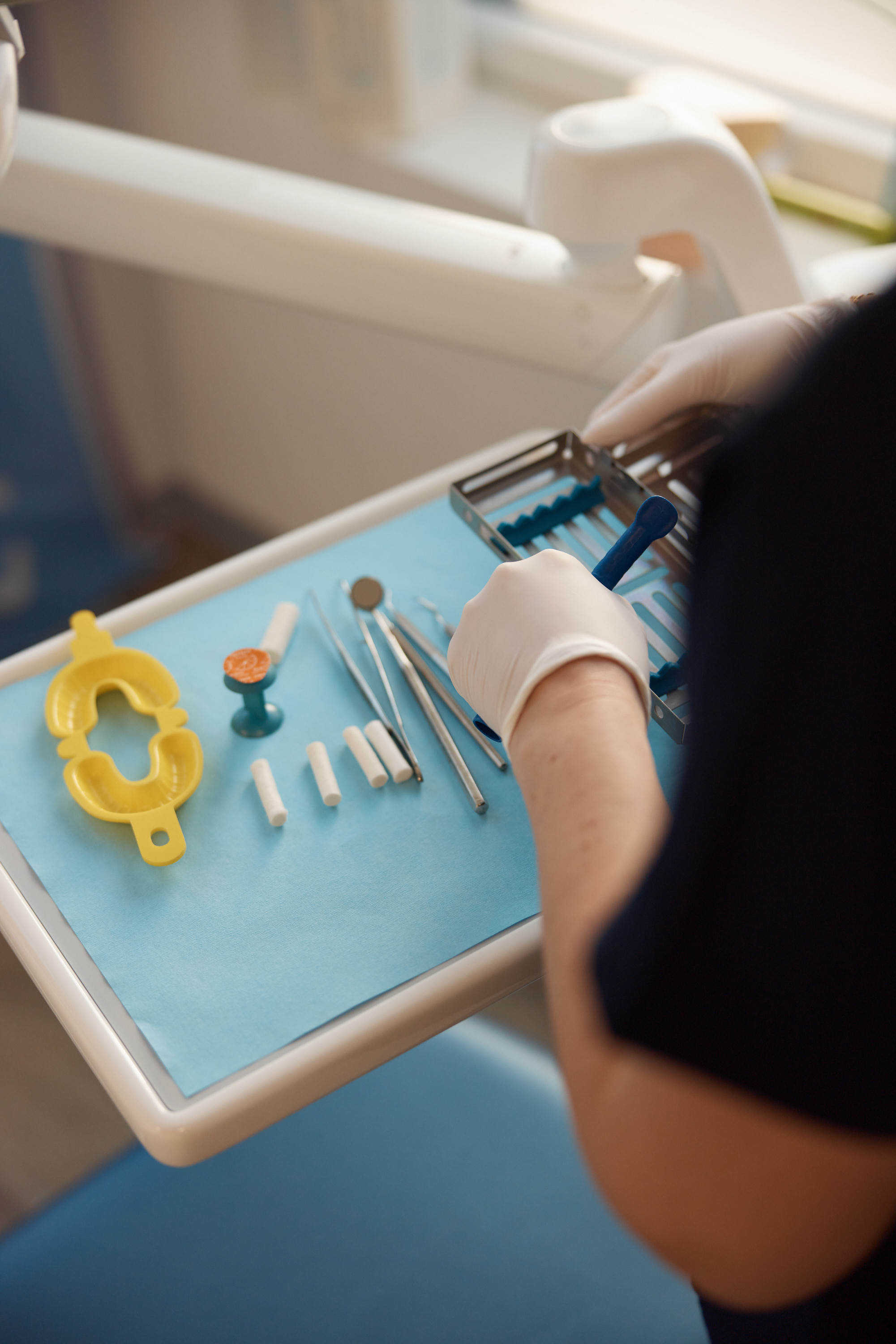
Depending on the diagnosis, they propose the most suitable solution:
• a composite restoration,,
• an inlay / onlay,
• an endocrown,
• a veneer,
• a crown.
Most common situations
• Superficial or deep decay
• Decay affecting the pulp
• Weakened or fractured tooth
• Replacement of old restorations ("fillings")
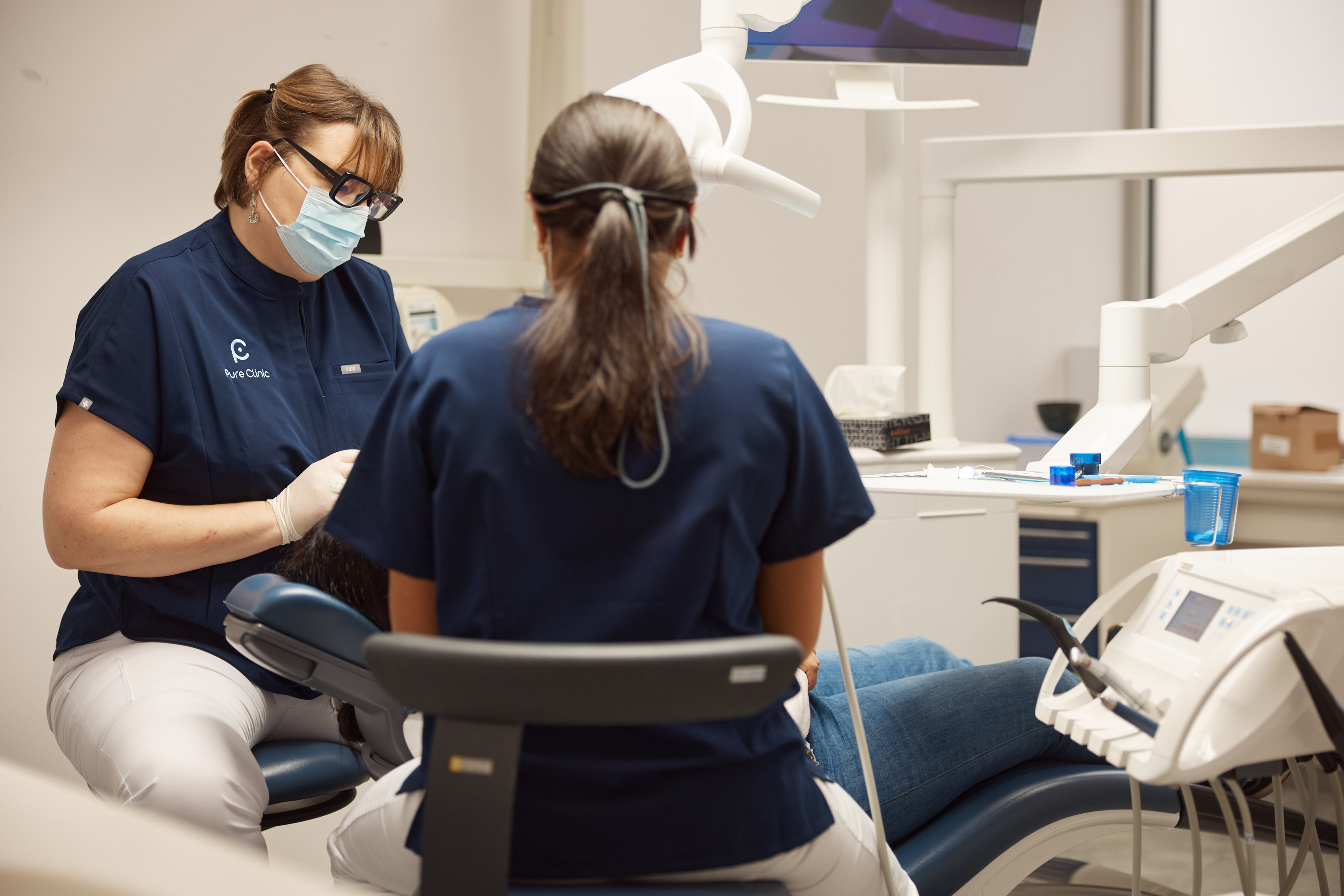
Our dentists carry out a clinical and radiographic examination to assess how far the tooth is affected.
If the pulp is affected, endodontic treatment (root canal treatment) may be necessary.
Depending on the diagnosis, they propose the most suitable solution:
• a composite restoration,,
• an inlay / onlay,
• an endocrown,
• a veneer,
• a crown.
Seeking advice as soon as sensitivity or pain appears allows us to intervene at an early stage. The sooner treatment is provided, the more it limits the progression of the problem, reducing the risk of heavier, more invasive treatment.
Most common situations
• Superficial or deep decay
• Decay affecting the pulp
• Weakened or fractured tooth
• Replacement of old restorations ("fillings")
Our dentists carry out a clinical and radiographic examination to assess how far the tooth is affected.
If the pulp is affected, endodontic treatment (root canal treatment) may be necessary.
Depending on the diagnosis, they propose the most suitable solution:
• a composite restoration,,
• an inlay / onlay,
• an endocrown,
• a veneer,
• a crown.

Patient testimonials






.webp)



.webp)